

Storytelling and leadership: Bring your strategy to life
A new strategy! The board has spent months working on a sharp strategy for the coming years. The plans are clear, the PowerPoint slides convincing, and everyone in the management team is enthusiastic. Now for the rest of the organisation: they're the ones who have to make it happen. The strategy is presented, there's applause and colleagues nod in agreement. But it still feels a bit distant. What exactly does this mean for me?
The message is clear, but the impact doesn't follow
Many directors, managers and executives know exactly where they want to go, but once they've explained it, nobody really starts moving. The organisation stays stuck in business as usual. One presentation follows another, but the message doesn't seem to land. It's too abstract, resistance builds up, or there's no sense of urgency. So how do you make sure your message isn't just heard, but lived?
Do these comments sound familiar?
Every member of the management team tells a slightly different story.
Nice management speak, but it doesn't move me.
What does this actually mean for me or my team?
From strategy to action
The biggest challenge in implementing a strategy lies in two crucial steps:
Alignment in the management team. Everyone needs to do more than agree: they need to live the vision and carry it out as one united front.
Internalisation by middle management. They are the ones who translate the strategy into everyday action. Without them, your message stays stuck in the boardroom.
Step 1: Alignment in the management team
Is the management team really on the same page, and is the message being conveyed consistently? Does everyone have a crystal-clear picture of, and feeling for, statements like "becoming more agile" or "AI makes our work more enjoyable and easier"? To strengthen the connection with each other and with the new strategy, we work on:
Experiencing the new vision, mission or strategy together
Stepping into each other's shoes: what do we share, and where do we differ?
Developing a shared language and message, and carrying it out in your own way
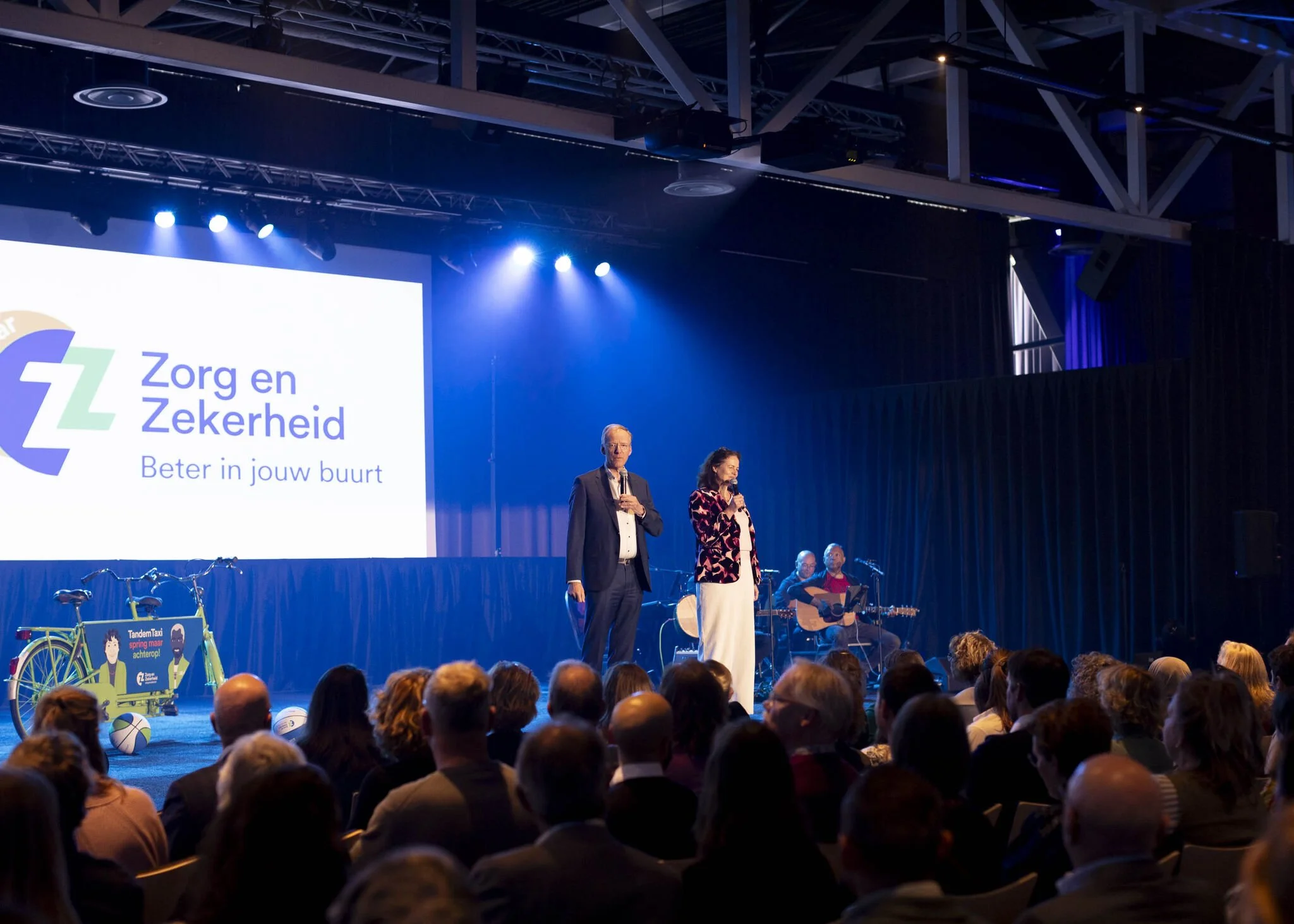
Example: Zorg en Zekerheid
The management team of this health insurer has been partly renewed. Together, they set out a new strategy for the next five years. There was a strong wish for the full management team to show unity around the new strategy and to bring it into the organisation powerfully. We help the management team share stories about the strategy, based on their personal experience. That makes abstract terms concrete. And each team member can step into the other's shoes: what does it mean for you? This creates a shared understanding of the strategy, and a clear picture of which parts can best be championed by which team members. We develop a joint presentation with powerful metaphors and help the team members tell their stories during town halls, drawing on personal experiences.
“Through stories, the abstract business plan suddenly became clear. Translating it to my own team was easier than I expected.”
Step 2: Cascading through middle management and team leaders
Once the story of the new strategy, vision or change has been communicated, an exciting phase begins. On the one hand there's energy among the front-runners ("what are we waiting for!"), on the other a wait-and-see attitude among the creatures of habit ("we'll see about that"). Now is the moment to make the abstract strategy concrete: by building awareness and self-reflection, saying goodbye to old behaviour and practising new behaviour. Middle management plays a crucial role in this. Team leaders, heads of department and other managers need to set a good example themselves and support their team members. We use the following methods for this:
Leadership days: the entire middle management experiencing the strategy together in one go, sharing stories, learning from each other and gathering questions where they need help.
Dialogue sessions and peer coaching: small groups of leaders in conversation, sharing stories, learning from each other, and monitoring and guiding progress.
Train the trainer: preparing leaders to facilitate sessions with their own teams on the new strategy or change.
Communication: physical or digital stories from the organisation, with role-model behaviour as a driver and inspiration.
Toolkits: physical and digital resources that enable leaders to facilitate the conversation with their teams.

Example: AmbaFlex
After drawing up the story of the new strategy with the management team, all team leaders are flown in for the annual leadership summit: seven days with the entire international leadership team to experience the strategy and make it their own. We start with personal stories from leaders that fit the core of the new strategy. Leaders talk with each other and discover what the strategic concepts mean. We then organise training to develop the skills that fit the new strategy, supported by a handbook full of inspiration, exercises and conversation techniques for use in the teams.
“There are so many spot-on layers. The more you read it, the more it grows on you. It certainly flows with a consistent message. Love it!”
Examples from our practice (in Dutch)


Switch on your strategy
We help your leadership team convey the 'why' and the meaning behind the strategy in a way that moves people. First within the management team, then through middle management to the teams. We do this with clarifying sessions that use stories to make the strategy concrete and help people make it their own. We design events to give the strategy a kick-start, and communication to support the further roll-out. With the power of stories, we bring your strategy to life!

Ralph Poldervaart (founder)